Flying With Celiac Disease: TSA Rules, What to Pack, and What to Skip
Airports were designed by someone who has never had celiac disease. Here is how to fly gluten free: TSA rules, exactly what to pack, and why the airline meal is a trap.
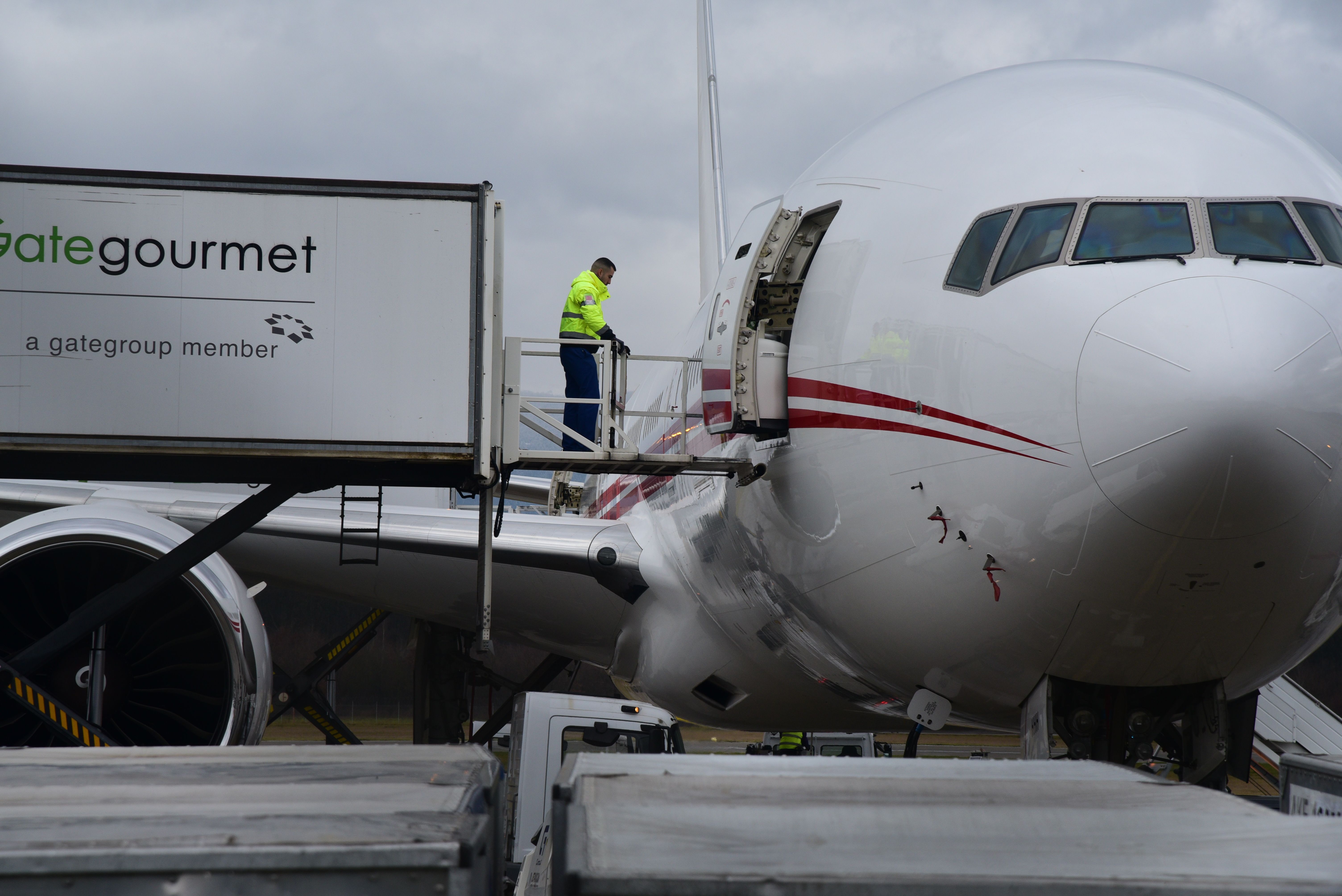
Airports were designed by someone who has never had celiac disease. Here is how to fly gluten free: TSA rules, exactly what to pack, and why the airline meal is a trap.
Hi friends! 👋
I swear airports were designed by someone who has never had celiac disease. I'm convinced of it. Rows of pretzel stands, croissant kiosks, and the one "salad" place with croutons already tossed in. Then you board, and the "snack" is a cookie.
So flying gluten free comes down to one idea: you are your own catering department. Once you accept that, the whole travel day gets calm. Here's exactly how I do it.
This surprises people: TSA allows solid foods through security with no issue, so all your gluten free bars, sandwiches, crackers, and snacks can come in your carry on freely.
The liquids rule still applies to spreadable and liquid items over 3.4 ounces, so your yogurt, hummus, or nut butter in a big container will get flagged (ask me how I know). But here's the important part: medically necessary liquids and soft foods are allowed even over the limit. If you need a larger quantity of a celiac safe liquid or soft food, you can bring it. All you need to do is declare it (not like Michael Scoot) to the officer before screening starts. Say clearly, "I'm traveling with medically necessary food," and put it in its own bin.
A couple of things that make this smoother:
The rule I never break: pack enough safe food to get through a full travel day, even a short flight. Delays, diversions, and missed connections are exactly when the gluten free options vanish.
My reliable carry on lineup: whole fruit, blocks of cheese, jerky/meat sticks, instant oatmeal cups, nuts and trail mix, and, my favorite, Smartfood White Cheddar Popcorn. Remember, protein + fat will help you feel fuller, longer.
Keep it under the seat in front of you, not in the overhead. You want to reach it the second you sit down.
Here's the one that gets people: many airlines offer a "gluten free meal" you can request when you book. I want to love these. I don't trust them for sensitive celiacs.
The gluten free special meals are typically prepared in the same catering facilities as everything else, and cross contamination is real. They're fine for a gluten free preference. For celiac, I treat them as a bonus if they happen to be safely packaged and clearly labeled, never as my plan. My plan is always the food I packed.
On long haul international flights, some premium cabins do better, but I still bring my own, every time.
If you have a tight connection, that's not the time to hunt for food. That's the time to eat what you packed and walk. Save the "let's find something fun" energy for when you've landed and have time to ask real questions of a real kitchen.
Flying gluten free is honestly the easiest leg of any trip once your carry on is dialed in, because it's the part you fully control. Nail this and you arrive fed, calm, and ready.
Where are you flying next? Tell me the route and I'll tell you what I'd pack. Or message me and let's plan the whole thing so the food is handled before you ever reach the gate. 💗
This is part of my complete guide to traveling with celiac disease.
Can you bring gluten free food through TSA security? Yes. TSA allows solid foods such as gluten free bars, sandwiches, crackers, and snacks through security in your carry on. Liquids and spreadable foods over 3.4 ounces follow the liquids rule, but medically necessary liquids and soft foods are allowed over the limit if you declare them to the officer before screening.
Are airline gluten free meals safe for celiac? Not reliably. Airline gluten free special meals are usually prepared in shared catering facilities where cross contact is possible. They can be fine for a gluten free preference but should not be your plan if you have celiac disease. Always pack your own safe food.
What gluten free food should I pack for a flight? Pack at least a full day of safe food: certified gluten free bars, trail mix, crackers with a nut butter packet, protein like cheese sticks or jerky, and a real meal such as a wrap on safe tortillas. Keep it accessible under the seat in front of you.
Does TSA PreCheck help celiac travelers? Yes. With PreCheck you generally do not have to remove soft or liquid snacks into a separate bin, which makes traveling with a bag full of gluten free food much smoother.